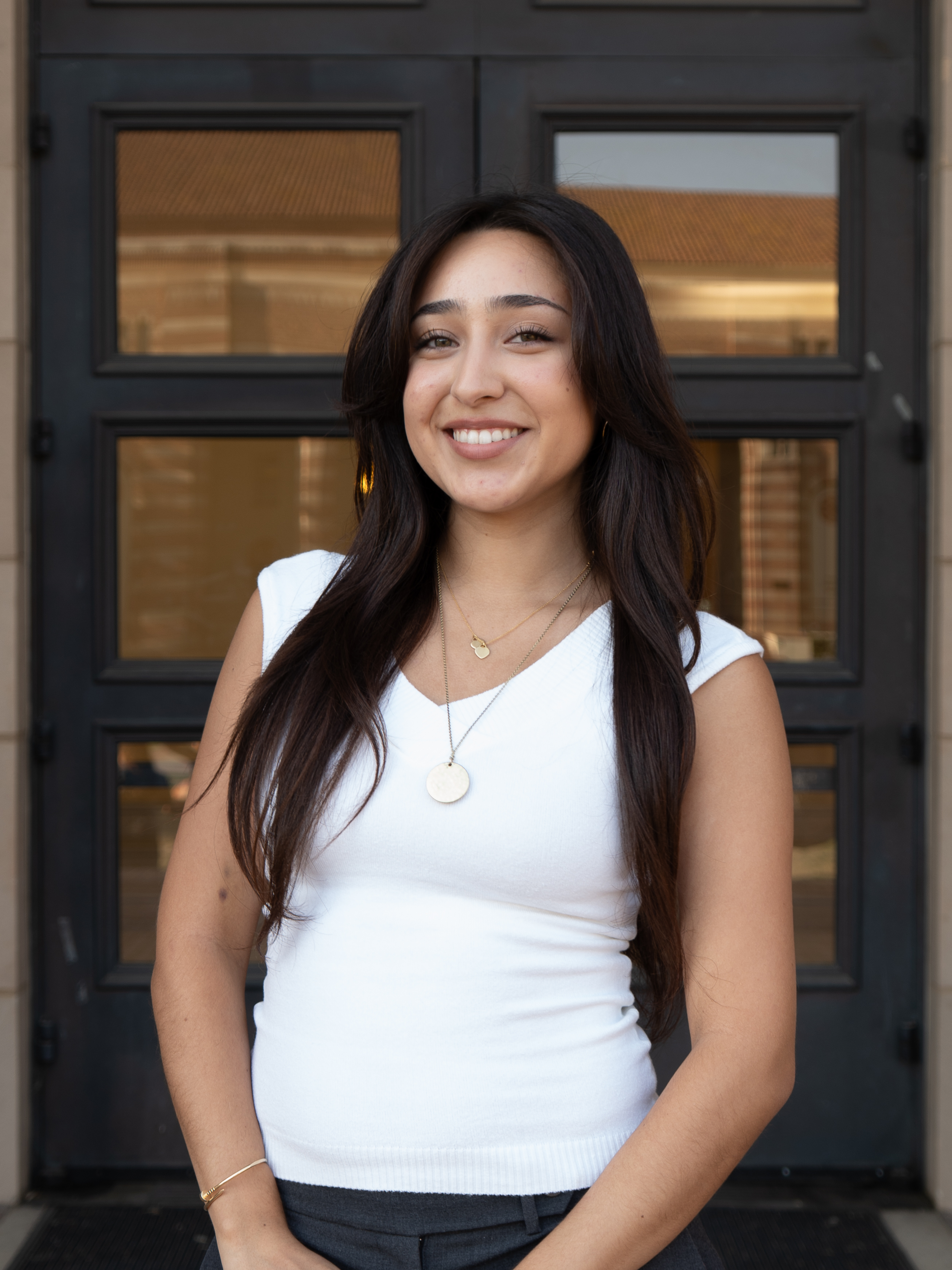
“I just wanted her to keep her dignity.”
is a gentle phrase that Lisa Marie Zozaya-Martinez, 59, used to summarize the nine years she spent caring for her late mother. Committing to caring for a terminally ill family member can be an extremely difficult decision, with jobs, children, and finances as factors. As painful as it is, life does not miraculously yield to the needs of loved ones. Illness does not discriminate nor care who it inconveniences.
Lisa’s decision to care for her mother at home, however, was the easiest decision she had ever made. Their bond was not an ordinary mother-daughter bond; Lisa witnessed her mother endure some of the greatest hardships and felt she deserved the most dignified experience as the illness took its course.
Lisa described herself as a “mama's girl.” She recalled going with her mother everywhere, including the rotation of her aunts’ homes, where the adults would sit and have coffee, smoke cigarettes, and sometimes dye each other’s hair. After long shifts at work, Lisa would rub her mother’s hands and feet when she'd come
home. As the youngest daughter, she naturally was her mother’s shadow, following her around and providing her youthful sweetness when needed.
Her mother, Rachel Zozaya, was born on October 1, 1934. Alongside
her eight siblings and widower father, she grew up on Sixth Street in Los Angeles, California. Rachel and her younger siblings were raised by their eldest siblings while their father worked on the railroads. Their mother died in Rachel’s youth due to cancer.
Rachel and her husband, Frank Anthony Zozaya, had four children: Catherine, Frank (“Frankie”), Patricia, and Lisa. The close-knit bunch planted roots in La Puente, California, which the family presently calls home. In 1976, the eldest daughter, Catherine, was tragically killed by a drunk driver at 14 years young. Four years later, Frankie was shot in a gang-related altercation at 21 years old.
Lisa emotionally recounted the experience of Frankie’s death. She was too young to remember her eldest sister Catherine’s death, but at 13 years old, her brother’s loss was the first tragedy she endured.
As a mother to four children herself, Lisa resonates deeply with her mother's pain. Losing her brother was a difficult experience, and she shares that years later she asked Rachel how she got through it.
Lisa recalls that her mother persevered to raise her two youngest daughters.
“I asked her, ‘How did you gain so much strength? How could you be such a strong person?’”
Along with Lisa, Patricia, and Rachel, Frank suffered immensely. According to Lisa, Rachel picked up the pieces as her father fell into depression. Amid the grief
of losing his eldest daughter and only son, he battled alcohol and smoking addiction for much of his life. Consequently, he battled throat cancer for the remainder of his time with his children.
While grieving the horrific deaths of her two eldest children, Rachel stayed strong for her two young daughters and her sick husband. Frank refused to abide by his cancer treatment and later succumbed to pneumonia and continuous substance abuse.
One morning, Rachel woke up with her face crooked. Her family thought she was having a stroke and took her to the emergency department. Doctors thought that she had facial palsy.
After the alleged facial palsy did not go away, the family returned to the hospital, where they found that she had a tumor in her brain as big as a golf ball. To their relief, doctors were able to take out 95% of the tumor through surgery, and gave her radiation for the other 5%.
“I was a single mother, and when my mother lost her job… I stepped up, and I told her if you help me raise my two children, I'll work all day and pay the bills.”
Fueled by grief, Lisa went to school to become a dental assistant and support their family. Lisa relied on financial aid to fund her education and gave her mother extra funds to pay the bills and mortgage. Rachel also received a welfare payment to care for Lisa’s two children.
When Rachel suddenly lost interest in family outings, stayed in her room more often, and fell around the house, Lisa knew something was wrong with her mother. She initially thought her mother was depressed because she typically loved being around her family. After taking her to visit her physician, they learned that she had Alzheimer’s disease.
Lisa never questioned taking care of her mother at home. This was her opportunity to repay her mother for her unconditional love amid the darkest of moments. She vowed to take care of her mother until her last days.
“I couldn't find it in my heart to put my mom in a convalescent home,”
Lisa shared. However, when Rachel fell at home, their insurance refused to pay for in-home therapy, forcing Lisa to admit her to a care facility. Regardless of the team of healthcare professionals attending to her mother, Lisa went in multiple times a day to monitor her, keep her company, and tuck her into bed.
When her mother was given a G-tube, or a feeding tube inserted in the stomach, she specifically requested that nurses close her mother's curtain and turn on her TV when they were feeding other patients. Lisa knew that her mother loved food and did not want her to watch others eating.
One day, Lisa walked in during dinner time. “My mother was looking at everybody else [eating] and licking her lips,” she said. The accumulation of a lack of regard for her mother’s dignity from the staff led her to withdraw Rachel from the care facility.
From that point on, Lisa, her husband, children, and grandchildren took care of Rachel at home.
“Till her dying day, we took care of her. And I would do it again.”
Lisa allowed her mother to stay true to her beloved routines. She made sure to move and massage her body. Every night after putting everybody to sleep, she lay with her mother in bed.
With pride, Lisa shared that her mother never got a single bedsore. She thanks their routine of daily powdering and movement. During doctors' visits, physicians would applaud her for her incredible work.
Although Rachel was non-verbal for a long time due to her illness, Lisa tried her absolute hardest to give her mother a normal social life. She didn’t want her to lose the connections that defined her. Lisa shares that her mother was brought to all family gatherings and welcomed into any room where conversation was had.
“I always made my mom a part of our lives, no matter what.”
Rachel lived nine more years full of scares, uncertainty, love, and laughter in our La Puente home under the care of my selfless grandmother, Lisa Marie Zozaya-Martinez.
Lisa shares that she will forever miss her mother's touch; the hands that she once rubbed from childhood to her mother’s last breath.
We all want to repay our parents for all that they have done for us. Rachel and Lisa are the epitome of two strong women—a mother and daughter duo—who make the most out of life’s most tragic, unpredictable events.
Our family lost my great-grandmother to complications related to dementia on Jan. 2, 2014. Although her journey with this disease was the most significant event nearing the end of her life, it is the last thing our family reminisces about. We remember her through her favorite color, yellow, how she loved to sit outside on the porch chatting, and the way she blasted music on Sunday mornings. Most importantly, the women in our family remain passionate, loud, and remarkably strong. Rachel Zozaya was more than her diagnosis, and we attribute all of our strength to her diligent soul.